Steel Grid Couplings
Rokee is a manufacturer of steel grid couplings from china, we can provide non-standard custom steel grid couplings based on parameters or drawings supplied by customers, with export support available.
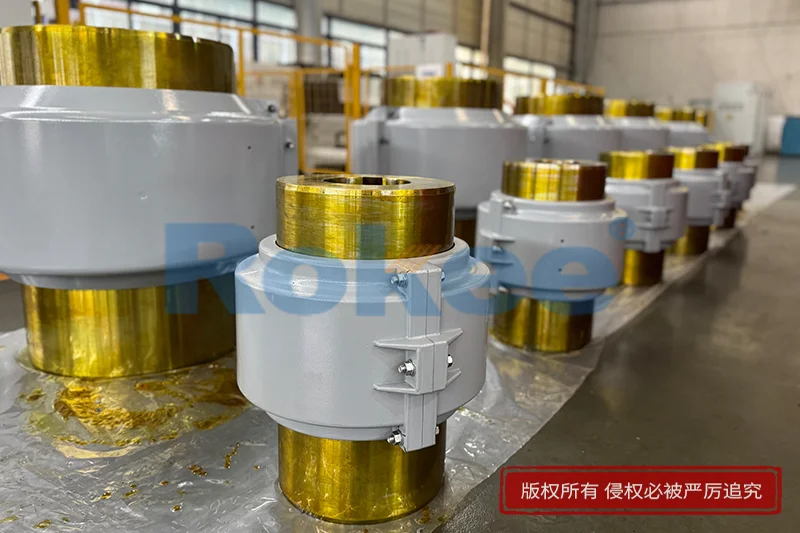
In the intricate ecosystem of industrial mechanical transmission systems, the stability, flexibility, and durability of shaft connection components directly determine the overall operational efficiency and service life of mechanical equipment. Among numerous flexible coupling types, steel grid couplings have emerged as a pivotal and widely adopted solution for heavy-duty industrial scenarios, striking an unparalleled balance between rigid torque transmission capability and flexible vibration damping performance. Engineered with a unique elastic grid structure and precision-machined hub components, this mechanical device efficiently transmits rotational torque between driving and driven shafts while effectively mitigating mechanical shocks, compensating for shaft misalignments, and protecting core equipment from premature wear and structural damage. Its distinctive structural design and adaptive working mechanism enable it to adapt to complex and variable industrial operating conditions, making it an indispensable core component in modern industrial transmission systems.
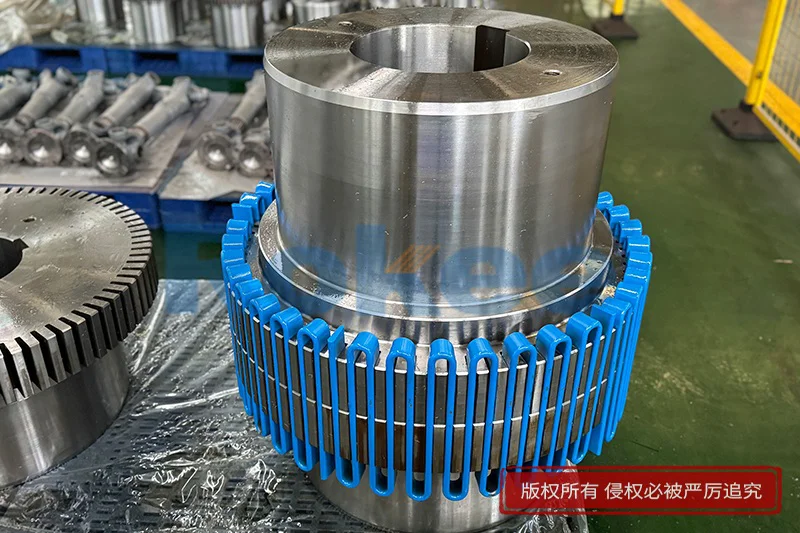

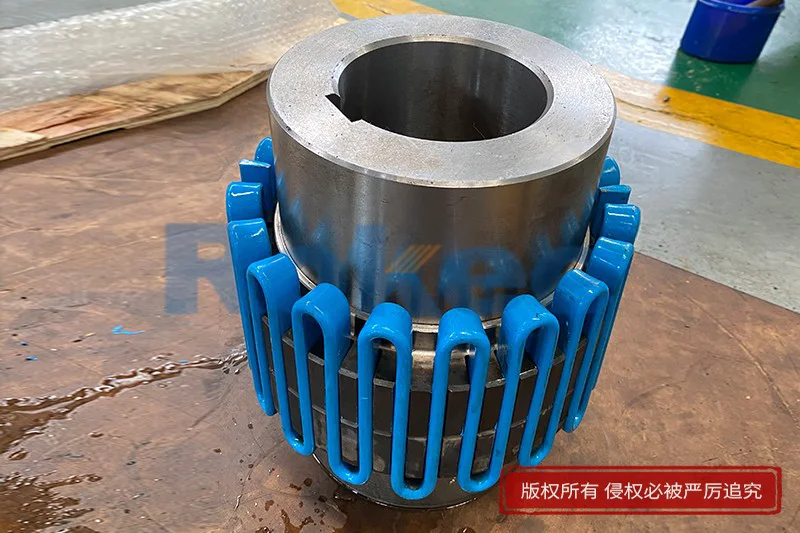
The basic composition of a steel grid coupling follows a sophisticated and practical structural logic, with every component optimized for mechanical performance and operational stability. The core structure primarily comprises two symmetrical metal hubs with precision tapered grooves, a high-strength alloy steel grid element, and a fully sealed protective cover that encloses the internal working components. The two hubs are respectively fixed on the driving shaft and driven shaft of mechanical equipment, serving as the rigid connection base for torque transmission. Different from conventional parallel groove couplings, the tapered groove design on the hub surface is a key structural innovation that endows the coupling with progressive stiffness characteristics during operation. The serpentine steel grid, forged from high-toughness spring steel through special heat treatment processes, is embedded in the interlocking grooves of the two hubs, forming the flexible force-transmitting medium between the rigid hub structures. The external sealed cover not only isolates internal components from external dust, moisture, and corrosive industrial media but also locks in lubricating grease inside the working cavity, ensuring long-term stable lubrication of friction pairs and reducing operational wear.
The working principle of steel grid couplings relies on the organic integration of rigid mechanical transmission and flexible elastic deformation, realizing dual functions of efficient torque transmission and mechanical buffer protection. Under standard low-torque operating conditions, the steel grid only contacts the outer edges of the hub grooves, forming a long force arm that presents low torsional stiffness. This soft torsional response effectively filters out tiny vibrations and rotational fluctuations generated during equipment operation, ensuring ultra-stable power output. When the equipment encounters instantaneous load changes, startup shocks, or overload impacts, the torque borne by the coupling increases sharply, driving the steel grid to produce controllable elastic deformation. As the grid deflects, the contact points between the grid and the tapered groove walls gradually migrate inward, shortening the effective force arm and rapidly increasing the overall torsional stiffness of the coupling. This progressive stiffness adjustment mechanism allows the coupling to maintain flexibility under normal operating conditions and switch to high-rigidity stable transmission under heavy shock loads, perfectly adapting to the dynamic load changes of industrial equipment.
During the entire torque transmission process, the elastic deformation of the steel grid uniformly disperses concentrated stress across the entire grid structure and the contact surfaces of the hub grooves, avoiding local stress concentration that is common in rigid couplings. This uniform stress distribution not only significantly improves the torque transmission efficiency but also effectively absorbs and dissipates impact energy generated by sudden load changes. By converting instantaneous mechanical impact energy into mild elastic deformation energy and releasing it slowly, the coupling greatly reduces the peak load acting on the driving motor, reducer, and driven equipment, thereby protecting the entire transmission system from impact damage. Meanwhile, the flexible deformation of the steel grid can automatically compensate for minor axial displacement, radial offset, and angular misalignment between the two connected shafts, solving the operational problems of equipment vibration, abnormal noise, and accelerated wear caused by installation errors, equipment aging, or thermal deformation during long-term operation.
Steel grid couplings possess a series of unique performance advantages that distinguish them from other types of flexible couplings, laying a solid foundation for their wide application in heavy-duty industrial fields. First and foremost, they achieve an optimal balance between high torque bearing capacity and excellent flexibility. Unlike elastic sleeve couplings that are prone to aging and damage under heavy loads, the all-metal steel grid structure maintains stable mechanical performance under high torque, high speed, and heavy load conditions, with far higher structural strength and load resistance than polymer elastic coupling components. Compared with rigid couplings that lack buffer performance, their flexible deformation capability provides reliable vibration damping and shock absorption effects, reducing system vibration amplitude by a significant margin during equipment operation.
Secondly, the progressive stiffness characteristic is a core competitive advantage of steel grid couplings. This adaptive performance enables the coupling to cope with complex working condition switching, including frequent equipment startup and shutdown, intermittent load operation, and sudden load surge. It avoids the defects of fixed-stiffness couplings that either have excessive hardness leading to poor damping effect or excessive flexibility leading to insufficient transmission stability under heavy loads. In addition, the all-metal structure and mature heat treatment process endow steel grid couplings with excellent fatigue resistance and environmental adaptability. They can operate stably in a wide temperature range, as well as in dusty, humid, and mildly corrosive industrial environments, without performance attenuation caused by environmental factors, which is incomparable for rubber and plastic elastic coupling components.
Maintainability is another prominent advantage of steel grid couplings. The standardized modular structure allows for quick disassembly and replacement of worn steel grid components without removing the connected equipment or adjusting the shaft alignment state. This modular maintenance mode greatly shortens equipment downtime and reduces daily operation and maintenance costs for industrial enterprises. Moreover, the sealed lubrication design effectively reduces the friction and wear of internal components, and high-quality lubricating grease can form a stable protective oil film on the grid and groove contact surfaces, reducing metal friction loss and heat generation. Good heat dissipation and wear resistance extend the service life of the coupling significantly, and verified industrial application data shows that well-maintained steel grid couplings can achieve ultra-long stable operation cycles under standard working conditions.
Thanks to their comprehensive and superior performance, steel grid couplings are widely applied in multiple core industrial fields, covering almost all mechanical transmission scenarios that require heavy-load torque transmission, vibration damping, and misalignment compensation. In the field of power transmission and energy equipment, they are commonly used in wind power generation equipment, thermal power auxiliary machinery, and hydraulic power transmission systems. The stable torque transmission and strong shock resistance can effectively cope with the unstable load characteristics of new energy power generation equipment and protect precision power generation components from mechanical vibration damage.
In the petrochemical and oil and gas industry, industrial equipment often operates in harsh environments with continuous operation, variable loads, and certain corrosive media. Steel grid couplings are applied to pump sets, compressors, and transmission equipment of oil and gas conveying devices. Their excellent environmental adaptability and fatigue resistance ensure the long-term stable operation of key equipment in non-stop production scenarios, avoiding production interruptions caused by coupling failure. In the mining and metallurgical industry, heavy-duty crushing equipment, screening equipment, and metallurgical transmission machinery often bear severe impact loads and alternating loads. The high torque capacity and shock absorption performance of steel grid couplings can effectively buffer mechanical impacts generated by equipment operation, reduce the failure rate of transmission components, and improve the continuous operation capacity of mining and metallurgical production lines.
In the field of industrial manufacturing and general machinery, steel grid couplings are widely used in fans, water pumps, reducers, and automated production line transmission equipment. For conventional rotating machinery with frequent startup and slight misalignment, their flexible compensation and vibration damping effects can optimize the equipment operation state, reduce operational noise and vibration, and prolong the overall service life of mechanical equipment. In addition, in the transportation and logistics machinery industry, they are also applied to the transmission systems of large conveying equipment and port handling machinery, providing stable and reliable power transmission support for heavy-load logistics operation.
Although steel grid couplings have excellent comprehensive performance, their long-term stable operation is inseparable from standardized installation and scientific daily maintenance. In the installation process, precise shaft alignment is the key to giving full play to the coupling's performance. Excessive misalignment will increase the deformation amplitude of the steel grid during operation, accelerate fatigue wear, and even cause grid fracture in severe cases. Therefore, professional alignment tools must be used to control the axial, radial, and angular deviation of the two shafts within the allowable range during installation. Meanwhile, the sealing cover must be installed tightly to prevent external impurities from entering the internal working cavity and avoid lubricating grease leakage.
Daily maintenance mainly focuses on lubrication state inspection and component wear detection. Lubricating grease is crucial for reducing friction and wear of steel grid couplings. Long-term operation will lead to grease aging, volatilization, and contamination, so regular grease replacement is required to ensure the lubrication effect. During equipment regular maintenance, the wear degree of the steel grid and hub grooves should be carefully checked. If grid deformation, surface scratch, fatigue crack, or groove wear and tooth loss are found, the components must be replaced in a timely manner to avoid sudden failure during equipment operation. In addition, for equipment operating in high-temperature and heavy-load scenarios, the operating temperature of the coupling should be regularly monitored to prevent performance degradation caused by excessive temperature of the lubrication system and metal components.
With the continuous upgrading of modern industrial manufacturing technology and the increasing demand for high-efficiency, low-consumption, and high-reliability mechanical equipment, the technical optimization and application prospect of steel grid couplings are constantly expanding. Modern industrial scenarios put forward higher requirements for mechanical transmission components, including higher load resistance, stronger environmental adaptability, and longer service life. In response to industrial development needs, the manufacturing process of steel grid couplings is constantly innovating. New high-strength alloy materials and precision CNC machining technology further improve the structural accuracy and mechanical performance of products. Optimized heat treatment processes enhance the toughness and fatigue resistance of the steel grid, making the coupling more adaptable to extreme working conditions such as ultra-heavy load and frequent impact.
At the same time, the lightweight and modular design trend further enhances the practical value of steel grid couplings. The optimized structural design reduces the overall weight of the coupling on the premise of ensuring torque transmission capacity, reducing the additional load on the transmission system. The standardized modular structure realizes the generalization of components, facilitating equipment maintenance and replacement, and reducing the comprehensive operation cost of industrial equipment. In the future, with the in-depth development of intelligent industrial equipment, steel grid couplings are also expected to be combined with intelligent monitoring technology to realize real-time monitoring of operating state, wear degree, and lubrication state, further improving the intelligent operation and maintenance level of industrial transmission systems.
In conclusion, steel grid couplings, with their unique progressive stiffness working mechanism, excellent comprehensive mechanical performance, wide environmental adaptability, and convenient maintenance characteristics, have become an essential core component in modern industrial mechanical transmission systems. They not only solve many pain points of traditional transmission connections such as insufficient shock resistance, poor misalignment compensation, and short service life but also provide reliable basic guarantee for the stable, efficient, and long-term operation of various industrial equipment. With the continuous progress of industrial technology and the continuous upgrading of industrial production standards, steel grid couplings will continue to exert their unique performance advantages and play a more important role in more industrial fields, promoting the stable development and efficiency improvement of modern industrial manufacturing.
« Steel Grid Couplings » Update Date: 2026/7/15
Contact
If you require custom machined couplings, please contact Rokee via the contact information below for inquiries.
Email: https://www.gshmdpq.com
 WeChat