Steam Turbine Coupling
Rokee is a manufacturer of steam turbine coupling from china, we can provide non-standard custom steam turbine coupling based on parameters or drawings supplied by customers, with export support available.
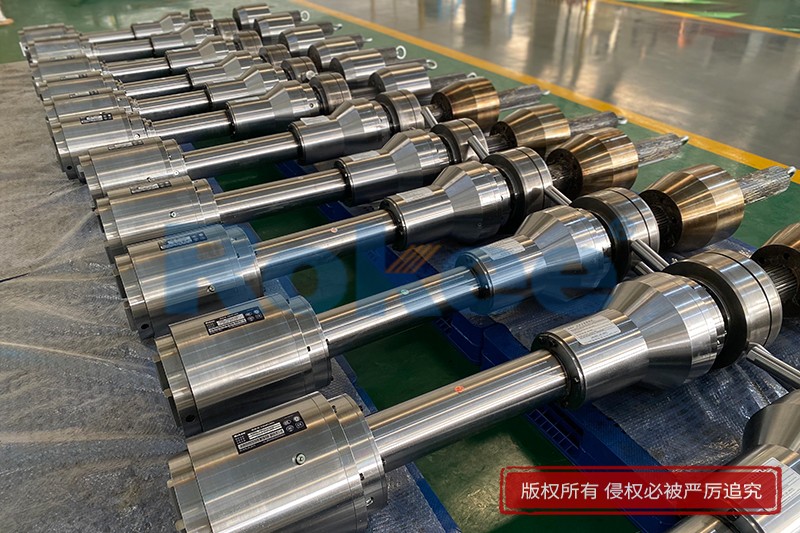
As a core connecting component in thermal power systems and industrial steam turbine equipment, steam turbine couplings undertake the vital task of torque transmission and shaft system coordination between rotating units. In the entire energy conversion process of steam turbines, high-pressure and high-temperature steam drives the rotor to rotate through staged energy conversion, converting thermal energy into mechanical rotational energy, and this mechanical energy can only be efficiently transferred to generators, compressors or other driven mechanical equipment through reliable coupling structures. Serving as the mechanical interface linking discrete rotor sections and different rotating devices, the coupling integrates scattered rotating components into a unified, stable and high-speed operating shaft system, which lays the foundation for the safe, efficient and long-term operation of the entire power unit. Its performance, structural stability and operating adaptability directly determine the overall operating efficiency, vibration level and service life of steam turbine equipment, making it an indispensable key component in modern thermal power generation and industrial power transmission systems.
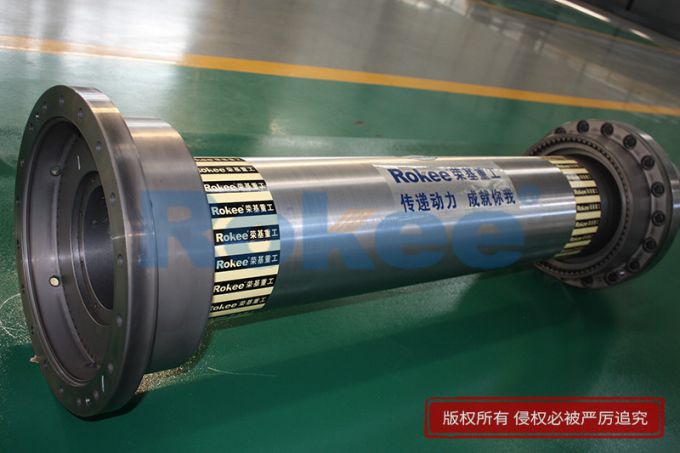
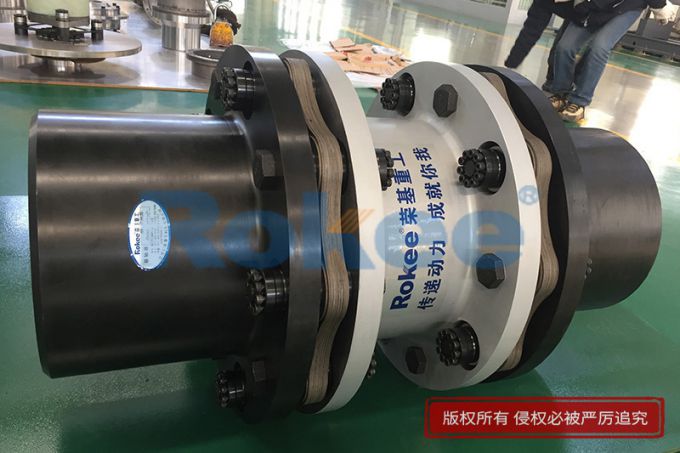
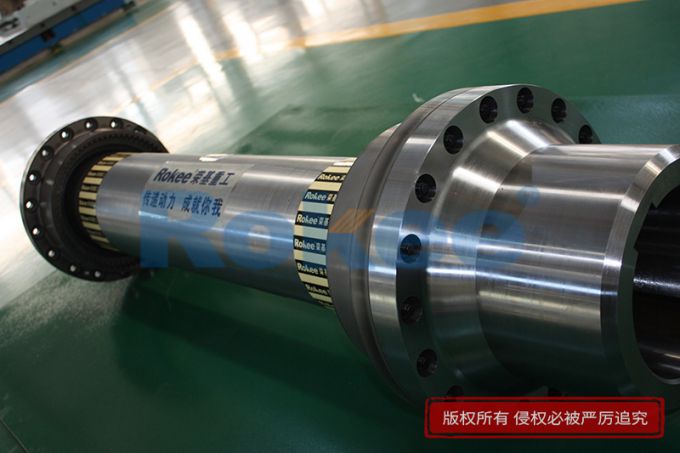
The core functional logic of steam turbine couplings originates from the special operating characteristics of steam turbine shaft systems. Unlike conventional mechanical transmission equipment, steam turbines operate under ultra-high speed, variable load, high temperature and complex dynamic working conditions for a long time. The rotor system will inevitably produce tiny displacement, angular deviation and axial position changes during operation due to thermal expansion and contraction, mechanical vibration, foundation settlement and load fluctuation. Meanwhile, different rotor sections including high-pressure, intermediate-pressure and low-pressure rotors, as well as matched generator rotors, have different thermal deformation coefficients and operating vibration characteristics under variable working conditions. In this context, the steam turbine coupling not only needs to realize rigid and stable torque transmission to ensure no power loss in the energy transfer process, but also needs to have flexible adaptive capacity to absorb and compensate various tiny deviations and deformations generated during operation. This dual functional attribute of rigid transmission and flexible adaptation distinguishes steam turbine couplings from ordinary mechanical couplings and puts forward higher requirements for their structural design, material selection and manufacturing precision.
In terms of working mechanism, steam turbine couplings complete power transmission and shaft system coordination through precise mechanical fit and elastic deformation coordination. When the steam turbine is in operation, the rotational torque generated by the steam pushing the rotor blades is transmitted to the coupling driving end through the main shaft, and the torque is evenly transmitted to the driven end through the internal force transmission structure of the coupling, thereby driving the connected equipment to operate synchronously. In this process, the coupling can effectively compensate three types of common shaft system deviations: radial misalignment caused by foundation deformation and assembly errors, angular misalignment formed by inconsistent deflection of two connected shafts during operation, and axial displacement generated by thermal expansion of the shaft system after temperature rise. Through the micro elastic deformation of its own structural parts, the coupling buffers the alternating stress caused by deviation, avoids the concentration of mechanical stress at the shaft connection, and prevents the shaft system, bearings and turbine body components from bearing excessive impact load. This working mechanism greatly reduces the mechanical loss and wear of the shaft system, ensures the continuity and stability of power transmission, and effectively restrains the vibration and noise of the unit during high-speed operation.
The structural design of steam turbine couplings fully adapts to the extreme working environment of steam turbine units. Long-term operation under high temperature, high humidity and variable load conditions requires coupling materials to have excellent high-temperature resistance, fatigue resistance and mechanical strength stability. The key bearing parts of the coupling are usually made of high-strength alloy materials with strict heat treatment processes, which can maintain stable mechanical properties without deformation or aging under long-term high-temperature working conditions. The flexible compensation structure adopts optimized elastic component design, which can maintain stable elastic compensation capacity after millions of times of alternating load cycles, avoiding fatigue failure and functional attenuation. In addition, the overall structure of the coupling follows the design concept of high precision and low inertia. The precise machining and assembly tolerance ensures the coaxiality of the connected shaft system, reduces the unbalanced force during high-speed rotation, and the low-inertia structural design enables the coupling to respond quickly during unit start-up, shutdown and load switching, improving the dynamic response performance of the entire unit.
The operational adaptability of steam turbine couplings is fully reflected in the full working condition coverage of steam turbine units. Steam turbine equipment often needs to cope with frequent working condition changes such as cold start, hot start, variable load operation and peak regulation operation in power production and industrial application scenarios. During the cold start stage of the unit, the shaft system temperature rises rapidly from room temperature to operating temperature, and each shaft section produces different thermal expansion volumes, resulting in instantaneous deviation of shaft system alignment. The coupling can absorb the instantaneous thermal displacement through its flexible structure to avoid rigid extrusion and friction between shafts. During variable load operation, the fluctuation of steam parameters leads to the change of turbine rotor torque and rotating speed, and the alternating torque impact generated in the process will be buffered and dissipated by the coupling, protecting the shaft system and bearing components from impact damage. In the peak regulation state with frequent start-stop cycles, the coupling can adapt to the repeated switching of static and dynamic states, maintain stable connection performance, and avoid connection looseness and transmission failure caused by frequent start-stop vibration.
The importance of steam turbine couplings is more prominent in the safe operation and economic benefit maintenance of the unit. In the actual operation of thermal power units, most of the shaft system vibration faults and bearing abnormal wear problems are related to the abnormal working state of couplings. Minor misalignment compensation failure will lead to increased vibration amplitude of the unit, increased operating noise and accelerated wear of bearing bushes; long-term uncompensated deviation will cause serious stress concentration of the shaft system, even lead to shaft bending, coupling fracture and other major faults, resulting in unit shutdown and huge economic losses. A well-matched and stably operating steam turbine coupling can effectively reduce the vibration value of the unit, reduce the mechanical loss of the shaft system, improve the overall operation efficiency of the steam turbine, and extend the service life of the entire rotating equipment. In addition, the stable operation of the coupling also ensures the safety of the unit during extreme working conditions such as overload operation and parameter fluctuation, improving the operational reliability and fault tolerance of the equipment.
Installation and commissioning precision is a key link to ensure the performance of steam turbine couplings. The assembly and alignment process of steam turbine couplings has extremely high precision requirements, and tiny assembly errors will be amplified in the high-speed operating state, affecting the stability of the entire unit. In the installation process, professional precision detection tools are required to carry out multi-dimensional alignment calibration on the radial, angular and axial positions of the two connected shafts, eliminating assembly deviation to the greatest extent. After the completion of assembly, it is necessary to conduct cold state debugging and low-speed trial operation to check the connection tightness, compensation flexibility and rotation uniformity of the coupling. After the unit is put into operation, with the temperature rise and load stabilization, secondary fine alignment is required according to the thermal deformation law of the shaft system to ensure that the coupling can maintain the best compensation state under formal operating conditions. Standardized installation and commissioning processes can maximize the performance advantages of couplings and lay a foundation for long-term stable operation.
Daily maintenance and condition monitoring are crucial to prolong the service life of steam turbine couplings and avoid sudden faults. In the long-term operating process, couplings will be affected by high-temperature aging, alternating load fatigue, environmental humidity corrosion and other factors, leading to gradual attenuation of performance. Conventional daily maintenance includes regular cleaning of structural surfaces, inspection of connection tightness, detection of elastic component fatigue state and lubrication maintenance of movable matching parts. For units operating for a long time, regular professional detection is required to check whether there are micro cracks, deformation, wear and other defects in key parts of the coupling, and evaluate the residual performance and service life of the coupling. At the same time, through the online monitoring of unit vibration, temperature and torque parameters, the abnormal state of the coupling can be predicted in advance. Once the vibration amplitude increases abnormally or the torque transmission is unstable, it indicates that the coupling has compensation failure or structural abnormality, and timely maintenance and adjustment are needed to avoid fault escalation.
With the continuous upgrading of modern power industry and industrial manufacturing technology, the design and application of steam turbine couplings are also developing towards high precision, high reliability and intelligent adaptation. Modern large-scale steam turbine units have higher requirements for shaft system stability and transmission efficiency, which promotes the continuous optimization of coupling structure and materials. New high-performance alloy materials and composite elastic structures further improve the high-temperature resistance, fatigue resistance and compensation accuracy of couplings, adapting to the higher speed and larger load operating conditions of new-generation units. At the same time, with the development of intelligent operation and maintenance technology, the state monitoring of steam turbine couplings is gradually moving towards digital and intelligent direction. Real-time data collection and analysis of coupling operating parameters can realize accurate fault early warning and predictive maintenance, reduce the failure rate of coupling equipment, and improve the intelligent operation level of the entire steam turbine unit.
In the whole life cycle of steam turbine equipment, the coupling is a small but decisive core component. It bears the key responsibility of connecting, transmitting and coordinating the shaft system, and its operating state runs through every link of unit start-up, operation, load switching and shutdown. Excellent coupling matching and stable operating state can maximize the energy conversion efficiency of the steam turbine, reduce equipment loss and operating cost, and ensure the safe and stable output of power energy. In the field of thermal power generation, industrial steam power transmission and marine power propulsion, steam turbine couplings always play an irreplaceable role, providing reliable mechanical guarantee for the efficient operation of various steam turbine power systems. With the continuous progress of energy equipment technology, the technical performance of steam turbine couplings will be further improved, making a more important contribution to the high-efficiency, low-consumption and safe operation of modern energy equipment.
« Steam Turbine Coupling » Update Date: 2026/7/15
Contact
If you require custom machined couplings, please contact Rokee via the contact information below for inquiries.
Email: https://www.gshmdpq.com
 WeChat